

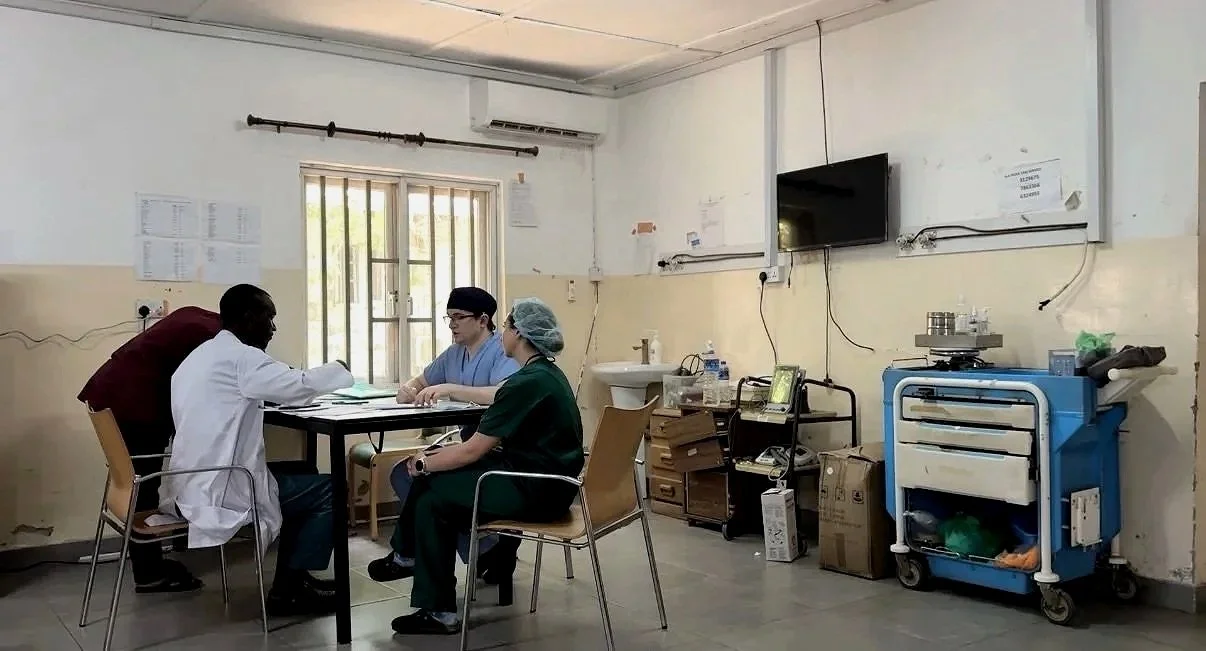
Our Work: Kora
Synapse Foundation is developing and deploying Kora, an AI clinical decision-support tool, with hospital teams across West and Central Africa. Through the WAIN Trial, we are studying Kora’s effectiveness, safety, and use in everyday clinical care.
Kora in Practice
AI Clinical Decision Support
Clinical teams need tools that fit their patients, resources, and everyday workflows. Developing useful AI support requires close clinical collaboration and evidence about how it performs in practice.
The Challenge
We develop and deploy Kora alongside clinicians and hospital teams across West and Central Africa. Partners help adapt the tool to postoperative and critical care, train users, and refine it through clinical feedback.
Kora helps teams synthesize patient information, consider complications, and plan care. Clinical decisions remain with the treating team.
Our Approach
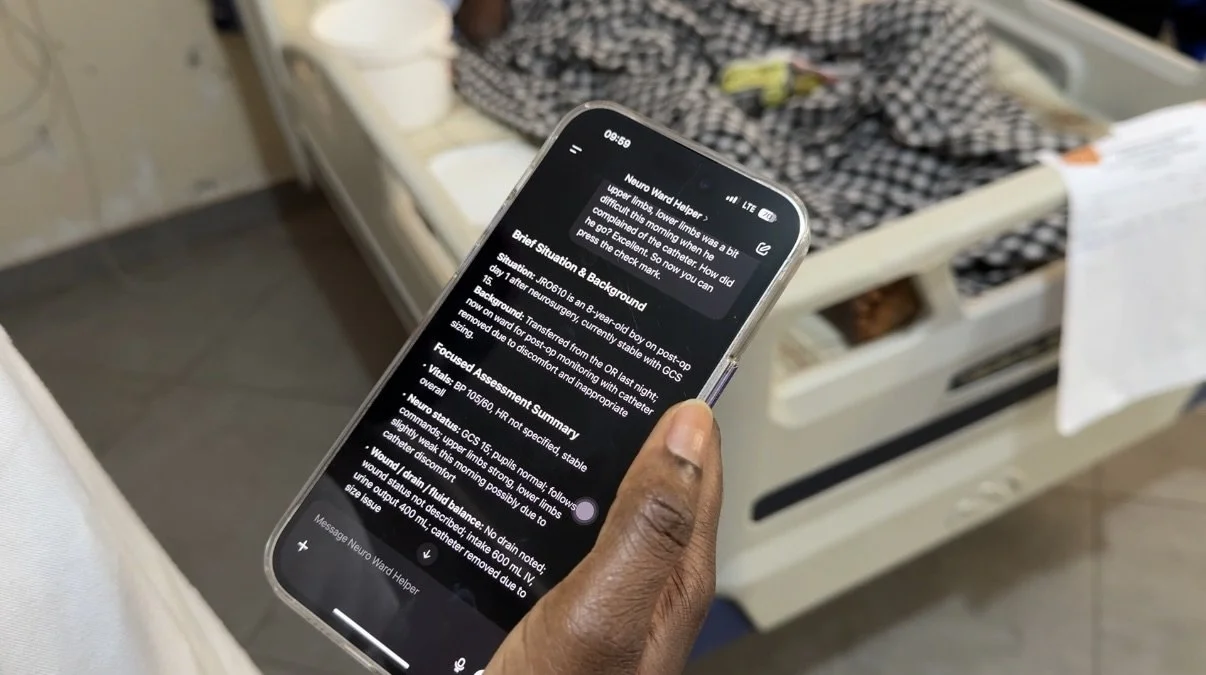
The West Africa AI for Neurosciences (WAIN) trial studies Kora’s effectiveness, safety, and use in clinical care. It examines patient outcomes, errors, clinician experience, and implementation costs to guide further development and responsible deployment.
Evaluating Kora through WAIN
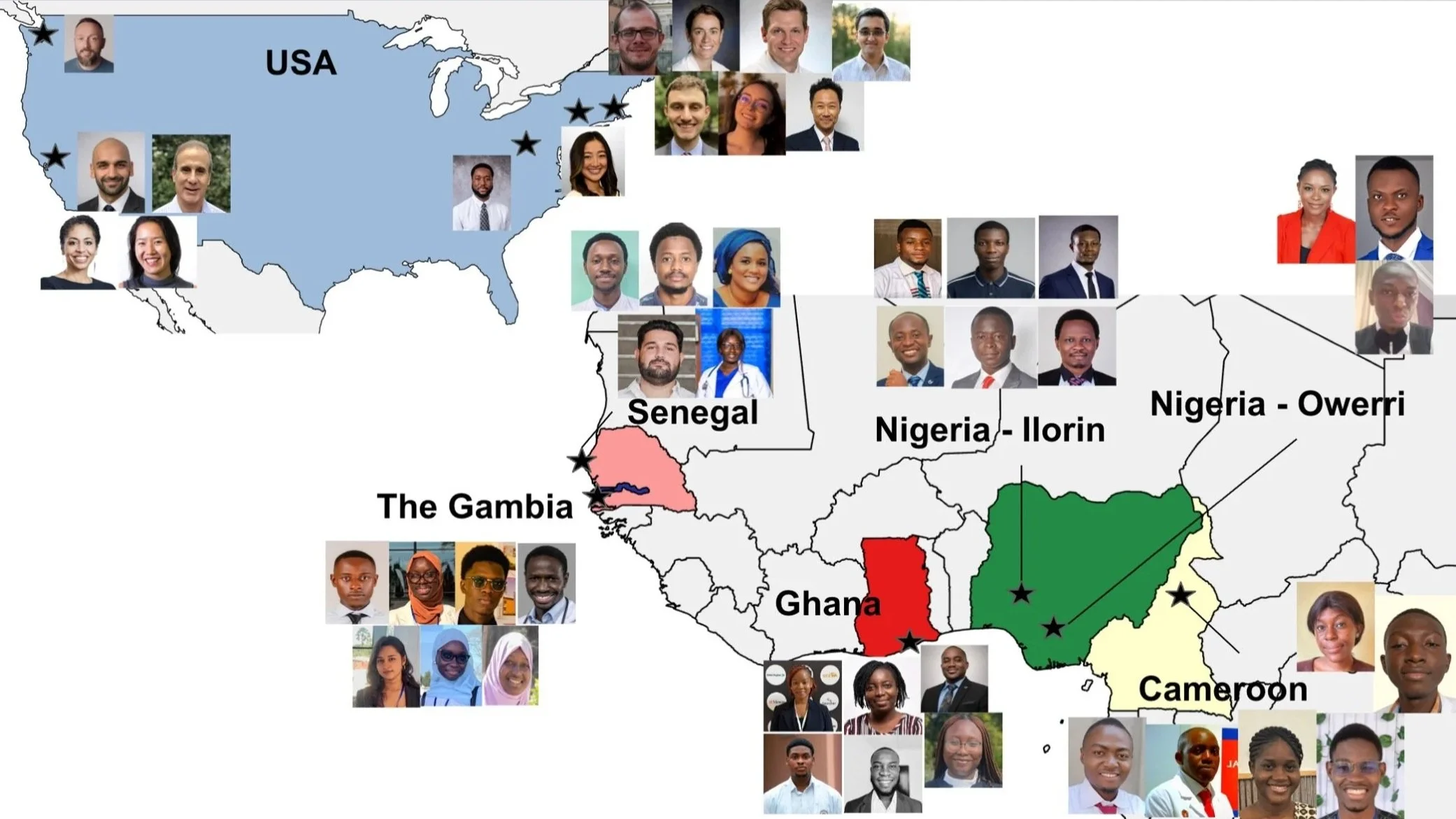
6 Hospitals in 5 Countries
Our partner hospitals are collaborating on Kora’s development, deployment, and evaluation through WAIN.
Meet the participating institutions and local teams below.
-
This is our central site, and home of our central database and PACTR registration.
Led by Mabel Banson, Kwadwo Darko, the full research team includes Reginald Ritcher, Selasie Fiakpui, Emmanuel Osei Adjei, Simon Sackitey, Maame Duodua, Joseph Awindaogo, Omane Okrah, Bernice Limann, and Samuel Horney-Brew
-
This was the site of our 2025 pilot.
Led by John Jabang, Jay Touray, the full research team includes Mariama Drammeh, Lawrence Mendy, Saikou Ceesay, Aminata Cham
-
Led by Ignatius Esene, Nathan Kengo, the full research team includes Sybile Tatsadjieu, Arnold Djaowe, Stepha Mekam, and Abende Olivier
-
Led by Maguette Mbaye, Issiaga Bah, the full research team includes Richard Djigo, Mehsen Salman, and Coumba Gueye.
-
Led by Olakunle Adegboye and Timothy Oyegbami, the full research team includes Stanley Nnara, Godwin Nwankwor, Ayodeji John, Akinola Bolu.
-
Led by Oluwamayowa Opara, Dede Collins, the full research team includes Omah Obinna, Destiny Emeka, Amarachi Justina
— Recent Highlights —
The Accra WAIN Summit
At the September 2026 Accra WAIN Summit, clinical leaders from six hospitals in five countries joined Synapse and OpenAI collaborators to test Kora and prepare for implementation.
Working sessions focused on clinical workflows, training, and local adaptations. At Korle Bu Teaching Hospital, cross-country teams tested the tool with clinical cases, compared observations, and helped refine it. Their feedback shaped changes to Kora throughout the summit.
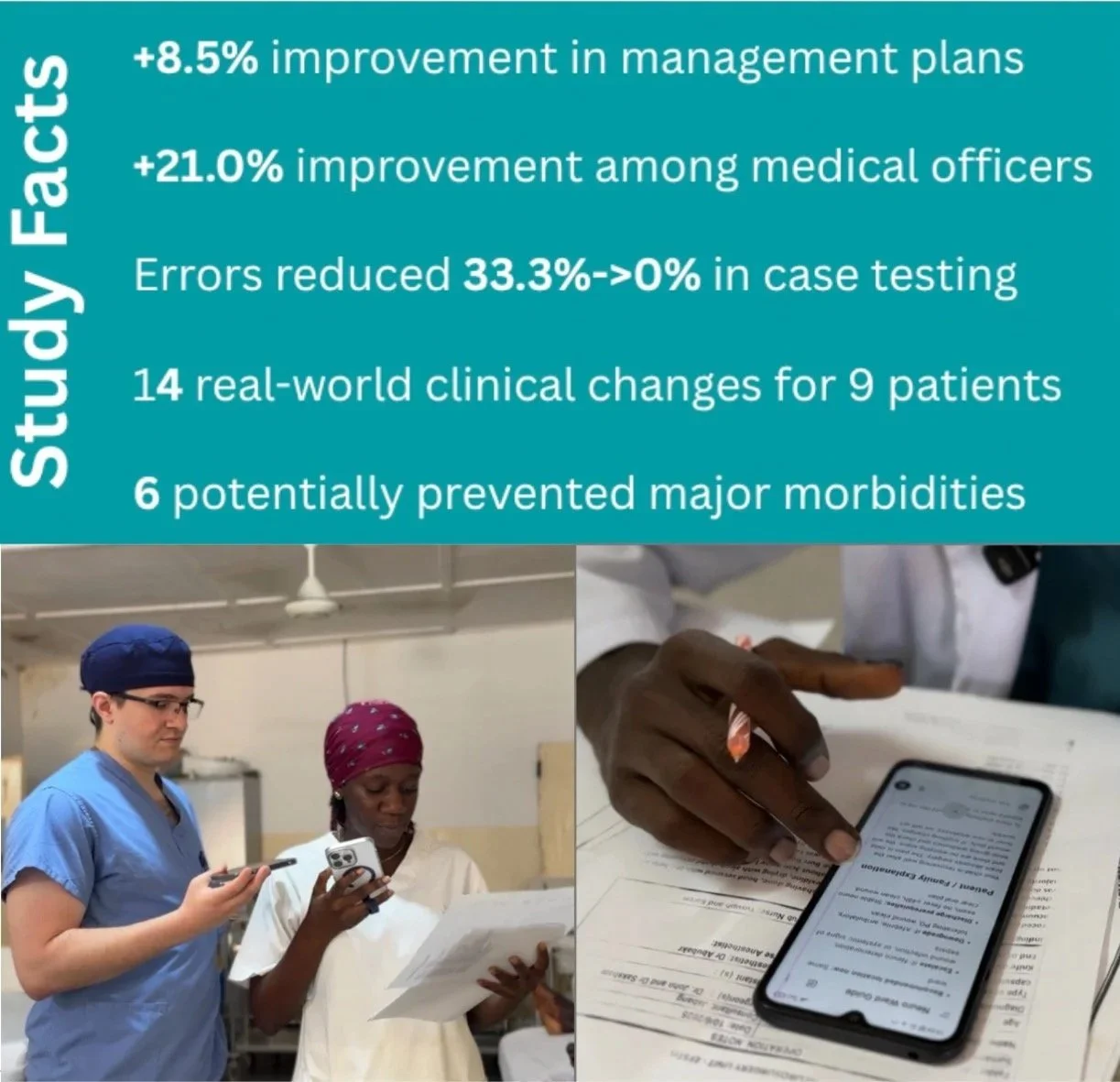
What We Learned in The Gambia
In 2025, our partners at Edward Francis Small Teaching Hospital piloted an AI assistant for postoperative neurosurgical care. Across 75 interactions involving nine patients, the study found improvements in management-plan quality and identified promising uses for clinical support.
The initial implementation did not achieve sustained adoption. That experience shaped our approach to Kora: developing the tool alongside clinical teams, integrating it into everyday workflows, and supporting continued use. Through WAIN, we are evaluating Kora’s effectiveness, safety, and implementation across partner hospitals.